The Underarm Chafing Problem Workout Tops Don't Warn You About
Quick Answer: Underarm chafing during workouts is usually caused by seam placement rubbing against sweat-damp skin during repetitive arm movement — the fix is seamless or flat-lock underarm construction plus a light anti-chafe balm on high-friction days.
It sneaks up on you mid-workout — a small hot spot under your arm that turns into a raw patch by the time you’re done. The top looked fine in the mirror. It just wasn’t built for what your arms actually do during a workout.
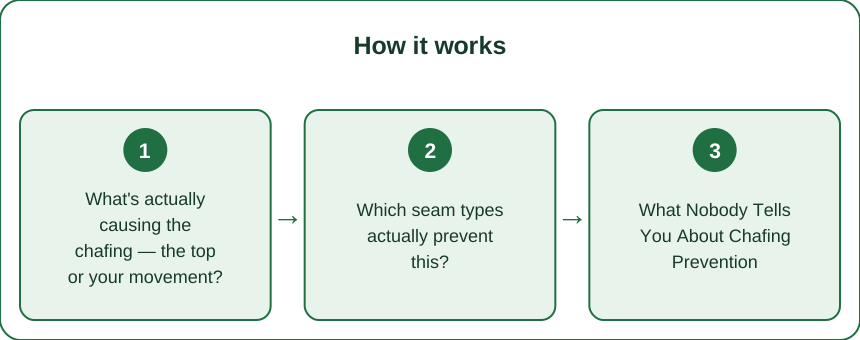
What’s actually causing the chafing — the top or your movement?
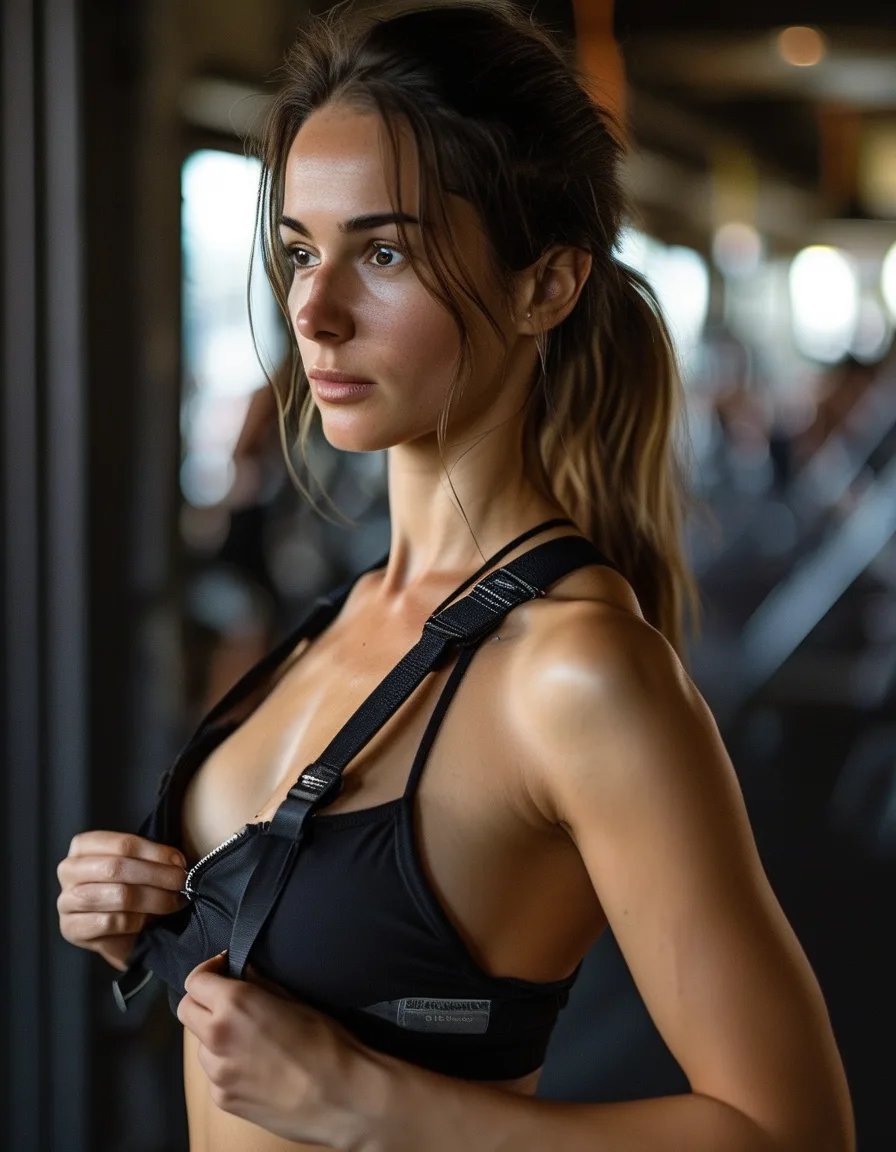
It’s the combination of seam friction and repetitive motion — any top with a raised or overlocked seam near the underarm will rub during movements like overhead presses, rows, or burpees where your arms repeatedly cross that zone.
Sweat makes it worse by softening skin and increasing friction, which is why the chafing often doesn’t show up until 20-30 minutes into a session, once you’re genuinely sweating.
Which seam types actually prevent this?
Flat-lock or seamless underarm construction is the meaningful difference — flat-lock seams lie against the skin instead of creating a raised ridge, and true seamless knit tops have no seam there at all.
Check a top’s underarm area specifically before buying (not just the overall fabric) — brands sometimes use premium fabric everywhere except the underarm seam, which defeats the purpose.
What Nobody Tells You About Chafing Prevention
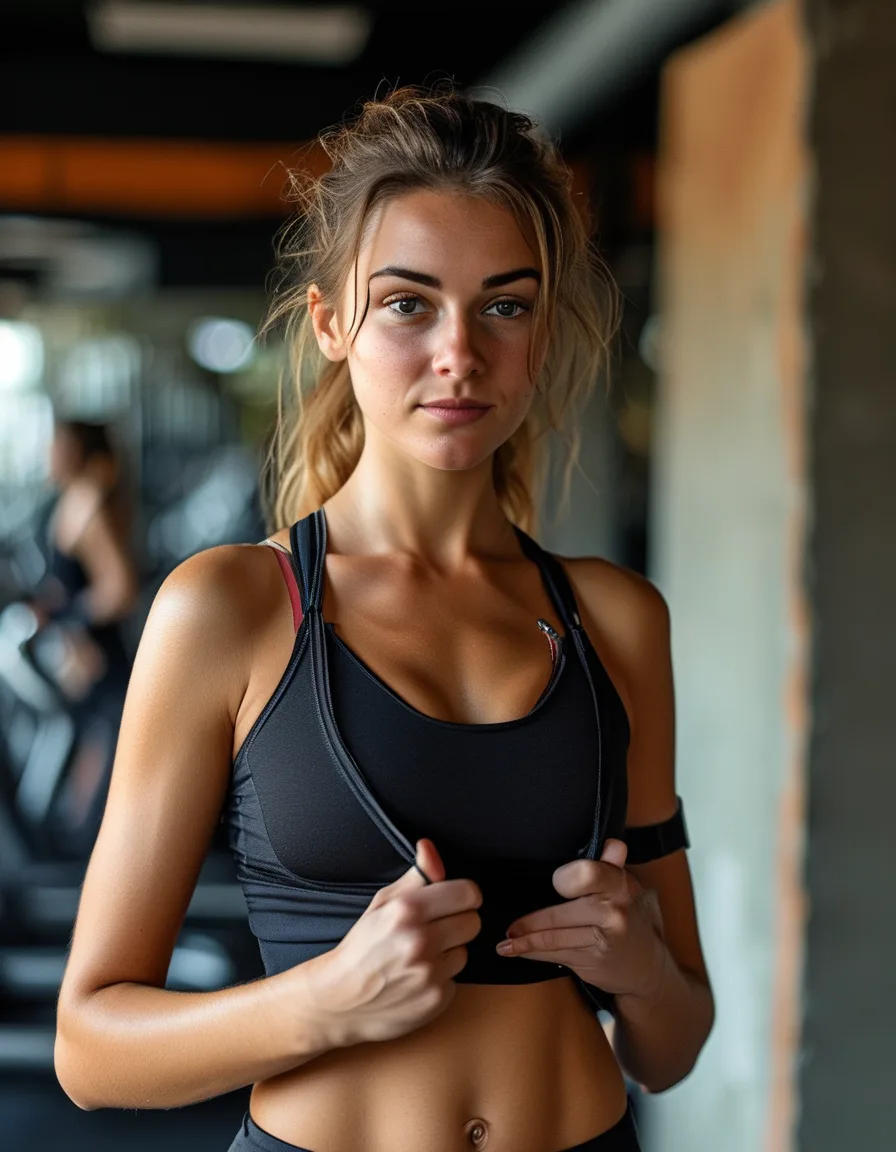
Most people reach for anti-chafe balm only after they’re already raw, but applying it preventively before high-friction workouts (think: lots of overhead or rowing movement) is far more effective than treating it after the fact.
A thin layer on clean, dry underarm skin before you get dressed creates a slip layer that lasts through a full sweaty session — most people just don’t think to do it until the damage is already done.
Does tighter or looser fit make chafing worse?
Too-tight tops increase friction because fabric drags against skin with every movement instead of moving with it; too-loose tops can bunch and create new friction points where fabric folds.
The sweet spot is a fitted-but-not-compressive fit through the torso with enough room at the underarm specifically for your arm’s full range of motion without the fabric pulling.
FAQ: Workout Top Chafing Questions, Answered
Is underarm chafing more common with certain fabrics?
Yes — rougher synthetic blends and anything with a stiff structured seam chafe more than soft brushed knits or true seamless construction.
Will body powder work instead of anti-chafe balm?
Powder can help absorb moisture but doesn’t create the same slip barrier as balm — balm is generally more effective for actual friction prevention during movement.
How long does chafed skin take to heal?
Minor chafing typically improves within 2-3 days with the area kept clean and dry; avoid re-irritating it with the same top until it’s fully healed.
TL;DR:
- Underarm chafing comes from seam friction combined with repetitive arm movement and sweat
- Flat-lock or seamless underarm construction makes the biggest difference
- Apply anti-chafe balm preventively, not just after irritation starts
- Aim for fitted-but-not-tight through the torso with room at the underarm
The right top shouldn’t announce itself mid-workout — check the underarm seam before you buy, not after you’re chafed.
See It in Motion
Keep Reading
This article is for general informational and styling purposes only. Fit, sizing, and product availability may vary.