Thumbholes and Cuffs: Do They Actually Do Anything?
Quick Answer: Thumbholes do three real jobs: they stop sleeves riding up during arm movement, they cover the back of the hand — a genuine warmth and sun-exposure gap — and they stop the sleeve bunching when you pull a jacket over it. The trade is a cuff that can restrict wrist movement and a hole that stretches out and frays. Bound-edge thumbholes last; slit-cut ones do not.
Either the most useful feature on a long-sleeve top or the most pointless, depending entirely on how the cuff is made.
Here is how to tell before you buy.

What problems do thumbholes actually solve?
Four, and the first is the one people underestimate.
Sleeves riding up. Any overhead or reaching movement drags a sleeve up the forearm, and it does not come back down on its own. Over a run, a session, or a hike with poles, you end up repeatedly pulling sleeves down — which is a low-grade irritation that thumbholes eliminate completely.
The back-of-hand gap. In cold weather this is a real heat-loss area and a hard cold line right at the wrist. In sun, the backs of the hands are among the most under-protected and most cumulatively exposed skin on the body. A thumbhole covers exactly that patch, which is why sun-protective shirts include them as standard.
Layering friction. Pulling a jacket sleeve over a bare base-layer cuff drags it up into a bunch at the elbow. With the sleeve anchored on the thumb, the jacket slides over it cleanly. This is the single biggest practical benefit for anyone layering in autumn, and it is why alpine and running base layers almost always have them.
And a bit of hand cover without gloves. Not a substitute for gloves, but for a cool morning where full gloves are too much, pulling the cuff over the palm is a useful middle setting.
What do they get wrong?
Three problems, all fixable by choosing better construction.
The hole stretches out and frays. A thumbhole cut as a simple slit through a knit puts all the stress on raw cut edges. It widens, then runs, then ladders. A bound or bar-tacked hole — where the edge is finished with a stitched binding or reinforced at the stress points — survives properly. Look at the hole before you buy: if you can see a raw cut edge, it will not last a season.
Wrist restriction. A cuff anchored on the thumb pulls across the back of the hand every time you flex or extend the wrist. On a top with insufficient stretch or too-short sleeves, this genuinely restricts movement — noticeable in anything with a lot of wrist action, from lifting to climbing.
And sleeve length becomes critical. Thumbholes only work if the sleeve is long enough to reach with your arm extended. Too short and the cuff pulls the shoulder seam down every time you reach, which is worse than no thumbhole at all. This is why people with longer arms often find thumbholes useless on standard-fit tops and excellent on tall sizes.
A note on gloves: thumbholes and gloves together can bunch awkwardly at the wrist. Fold-over mitten cuffs solve this more elegantly if that is your use case.
What should you look for when buying?
Five checks, all doable in a shop or in the first two minutes at home.
Check the hole’s finish. Bound edge or bar tack, not a raw slit. This single detail predicts whether the feature survives twenty washes.
Check the sleeve length with your arm fully extended. Put your thumb through and reach forward. If it pulls at the shoulder, the sleeve is too short for you — no amount of stretch fixes that.
Check the cuff’s stretch. Flex and extend your wrist a few times with the thumb through. It should move freely. A cuff that pulls tight across the back of the hand will annoy you within a kilometre.
Check for a fold-over option. Some cuffs extend far enough to cover the whole hand as a mitten. That is a genuinely more versatile design for autumn and winter than a thumbhole alone.
And check the seam placement at the cuff. A seam running across the base of the thumb is a chafe point on anything you do for more than an hour.
Seasonal note: this is the moment in the year when thumbhole tops earn their place. A mid-weight long sleeve with proper cuffs handles a cold start and a warm finish better than the same top with plain cuffs plus separate gloves, because you can adjust hand cover without stopping.
Myth vs Fact: Thumbholes and Cuffs
Myth: thumbholes are purely a style feature. Fact: they solve sleeve ride-up, back-of-hand exposure and layering bunching. Whether those matter depends on what you do, but they are real functions.
Myth: they replace gloves. Fact: they cover the back of the hand and leave the fingers exposed. That is a useful mid-setting, not a cold-weather solution.
Myth: all thumbholes are the same. Fact: bound-edge holes last for years; raw slits ladder within a season. It is the single biggest quality difference in the category.
Myth: a tight cuff means better hold. Fact: it means restricted wrist movement. The hold comes from the thumb anchor, not from cuff tension.
Myth: they are only for running. Fact: the layering benefit applies to anything where you pull a jacket over a base layer — hiking, cycling, walking the dog, standing on a touchline.
Myth: they are hard to wash. Fact: no, but a raw-cut hole is where the laddering starts, so turn tops inside out and use a mesh bag if you want the feature to survive.
FAQ: Thumbhole and Cuff Questions, Answered
Do thumbholes actually keep sleeves down?
Yes — that is their primary and most reliable function.
Will they stretch out?
Bound or bar-tacked holes hold up well. Raw-cut slits stretch and fray, usually within a season of regular use.
Are they warm enough for winter?
They cover the back of the hand only. For genuinely cold conditions you want gloves, or a fold-over mitten cuff.
Do they restrict movement?
They can, if the sleeve is too short or the cuff has too little stretch. Test with your arm fully extended before buying.
Can I add thumbholes to a top I own?
You can cut them, and they will fray unless you bind the edge. If you do it, finish the edge with a zigzag or overlock stitch rather than leaving it raw.
Do they help with sun protection?
Yes — the backs of the hands are commonly missed and heavily exposed, which is why UPF shirts include them.
What about wearing them under a jacket?
This is where they are most useful. The anchored sleeve stops the base layer bunching at the elbow when you pull the jacket on.
TL;DR:
- Thumbholes solve sleeve ride-up, back-of-hand exposure, and layering bunch — all real, all specific.
- Bound or bar-tacked edges last; raw-cut slits fray within a season. Check before you buy.
- Test with your arm fully extended — a too-short sleeve pulls at the shoulder and ruins the feature.
- They are not gloves, but they are a useful middle setting on a cool morning.
- A fold-over mitten cuff is the more versatile design if you have the choice.
Look at the cuff on the long-sleeve top you already own. The finish tells you whether it will still have thumbholes in March.
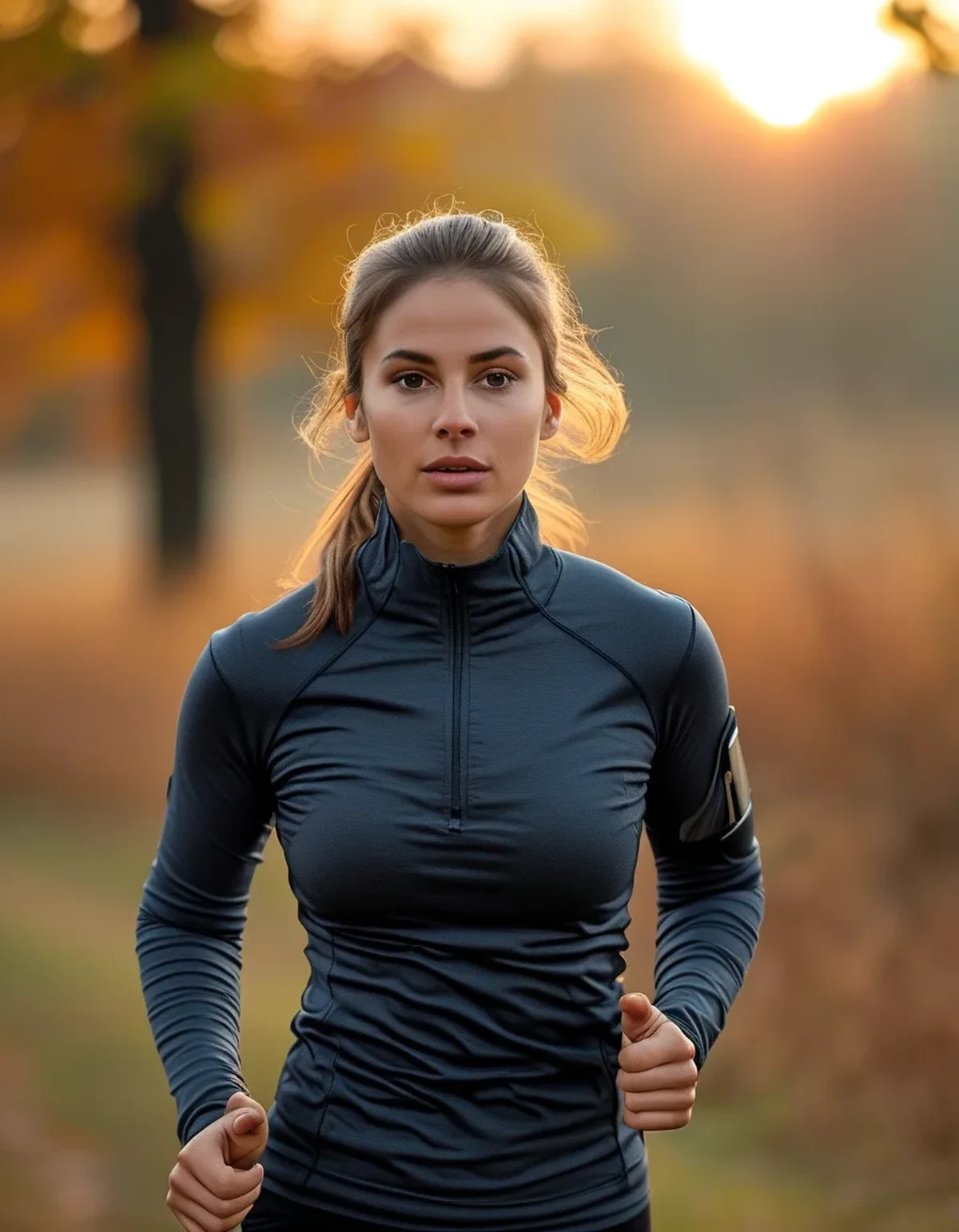
See It in Motion
Seen here: Racerback Tank Top - White — shop similar styles on bubblelime.com
Keep Reading
This article is for general informational and styling purposes only. Fit, sizing, and product availability may vary.