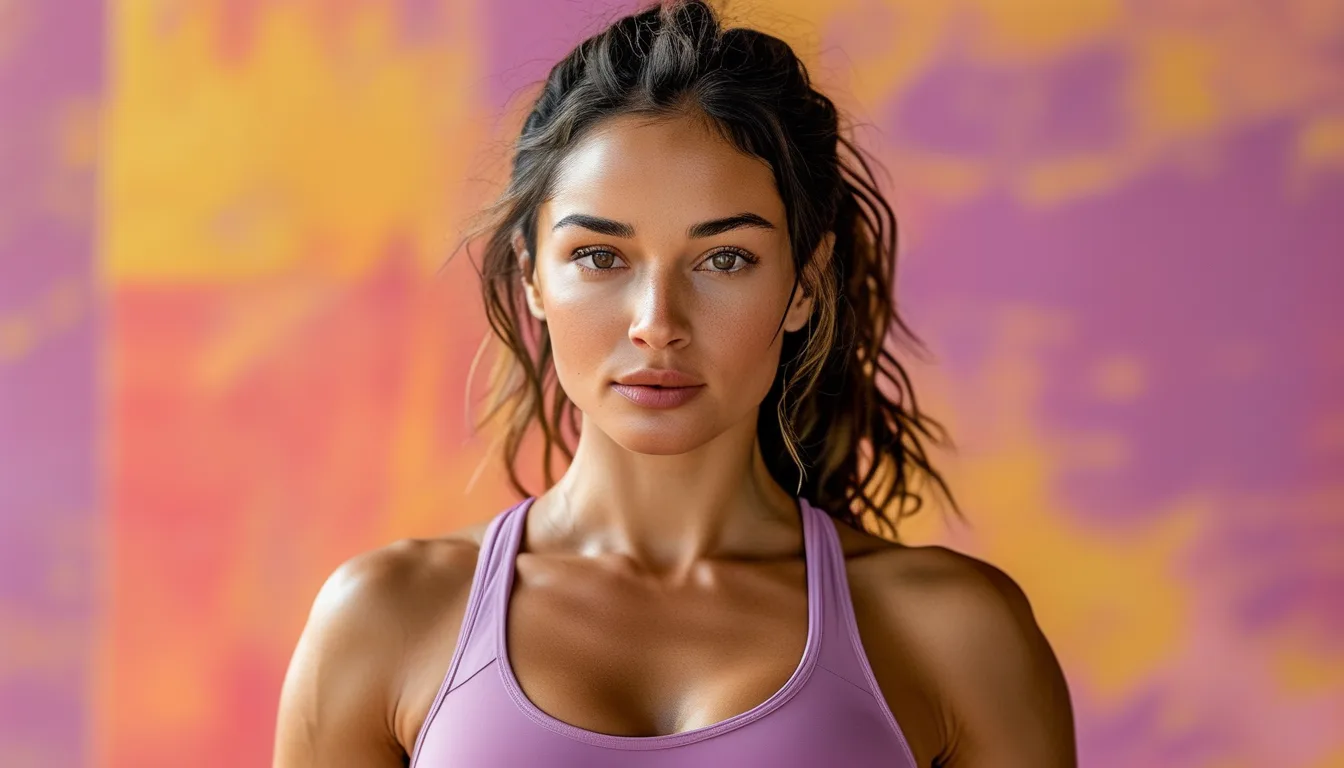
Built-In Bra Support Levels in Workout Tops: What the Labels Actually Mean
Quick Answer: Built-in shelf bras in workout tops generally provide light support at best, suitable for walking or yoga but not high-impact activity — checking for a wide underband, adjustable straps, and molded (not just lined) cups is the fastest way to judge real support before a workout, not the marketing label alone.
The tag said ‘built-in support.’ Halfway through a run, your body disagreed. That gap between label and reality is common — and avoidable if you know what to check.
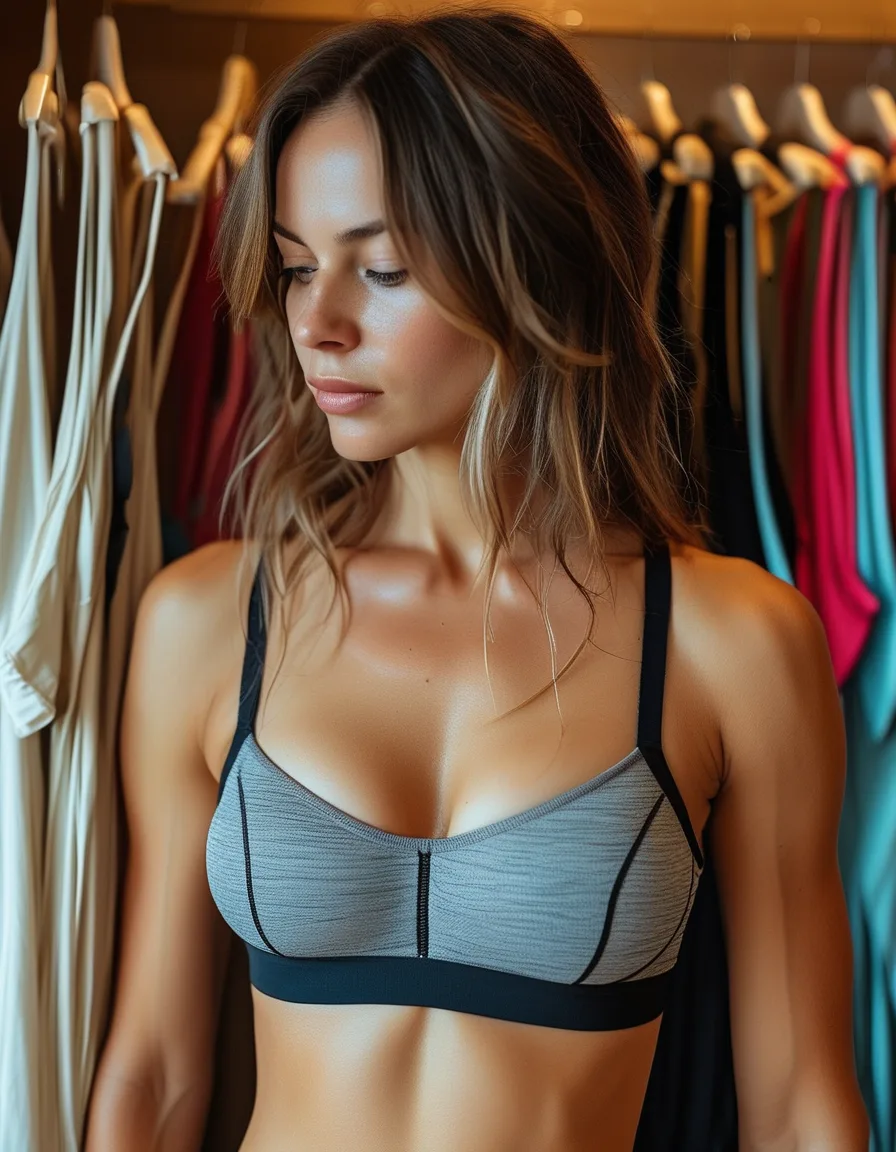
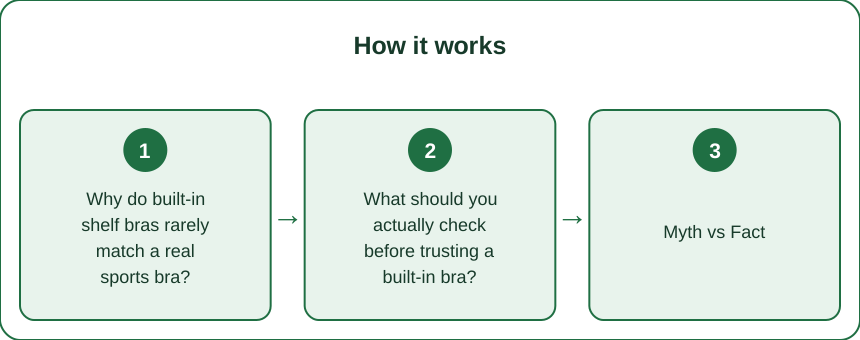
Why do built-in shelf bras rarely match a real sports bra?
Shelf bras are typically a single layer of fabric with light elastic, built primarily for shape and light hold, not the compression or encapsulation structure that dedicated sports bras use for higher-impact support.
They’re a genuinely good option for their actual use case — walking, yoga, low-intensity strength — but marketing language like ‘built-in support’ doesn’t specify intensity level, which is where the expectation gap comes from.
What should you actually check before trusting a built-in bra?
Underband width and elastic quality matter more than most people check — a narrow, thin band provides far less structural support than a wider one, regardless of what’s happening at the cup.
Molded or lightly padded cups with some structure hold shape better under movement than a purely soft, unlined shelf — and adjustable straps (versus fixed) let you dial in support level rather than relying on a single fixed fit.
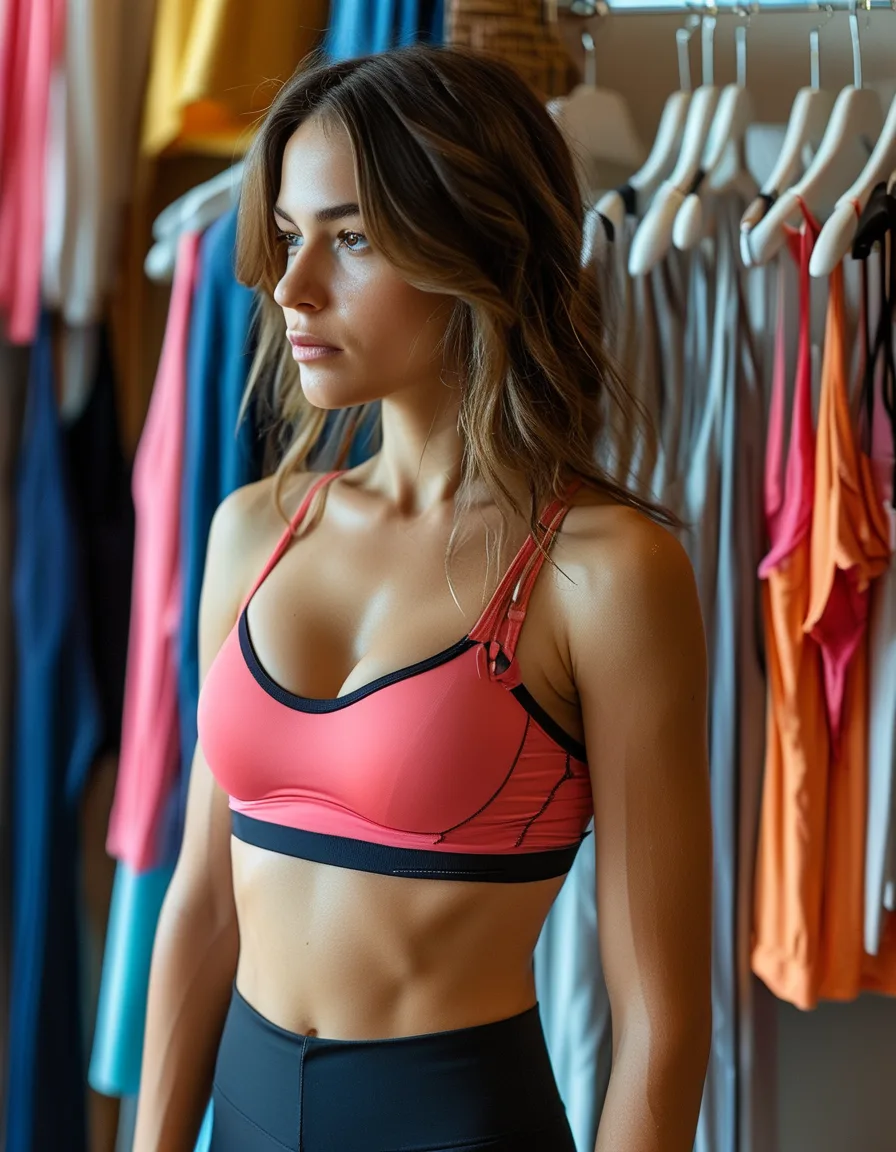
Myth vs Fact: Built-In Bra Support Edition
Myth: ‘Built-in support’ on the label means it’s workout-ready for any activity. Fact: The label rarely specifies impact level — always check construction details, not just the marketing phrase.
Myth: More layers always mean more support. Fact: Layer count matters less than underband structure and cup shaping — a thin double layer can still underperform a well-engineered single molded cup.
Myth: Built-in bras work the same for every cup size. Fact: Shelf bras generally underperform more noticeably for fuller busts, where dedicated encapsulation support becomes more important regardless of activity level.
Which activities can you actually trust a built-in bra for?
Low-impact activities — walking, yoga, gentle strength training, casual wear — are usually well within a quality shelf bra’s real capability.
Moderate to high-impact activities — running, HIIT, jumping-based workouts — generally need a dedicated sports bra underneath or instead, regardless of how supportive the built-in option looks on the hanger.
FAQ: Built-In Bra Support Questions, Answered
Can you wear a separate sports bra under a top with a built-in shelf bra?
Yes, and many people do for higher-impact workouts — it adds real support without needing to buy an entirely different top.
Do built-in bras stretch out faster than separate sports bras?
Often yes, since they’re typically lighter construction — rotating tops and avoiding the dryer’s heat extends their support life meaningfully.
How do you know if a built-in bra has failed mid-workout?
Noticeable bounce, straps digging or slipping, or the fabric losing its shape mid-session are signs the support level didn’t match the activity — worth switching to a dedicated sports bra next time.
TL;DR:
- Built-in shelf bras suit low-impact activity; they rarely match a real sports bra’s support
- Check underband width and cup structure, not just the ‘built-in support’ label
- Fuller busts generally need more structured support regardless of activity level
- Layer a separate sports bra underneath for anything moderate to high-impact
Before a hard workout, check the construction, not the tag — the label’s marketing language and your actual bounce tolerance aren’t the same thing.
See It in Motion
Seen here: UPF 50+ Racerback Yoga Tank Top — shop it on bubblelime.com
Keep Reading
This article is for general informational and styling purposes only. Fit, sizing, and product availability may vary.