Why Mesh Panel Placement Matters More Than How Much Mesh a Top Has
A workout top with more visible mesh paneling gets assumed to be the cooler, more breathable option, treating total mesh coverage as the main variable. But mesh placed over major heat-generating zones, the upper back and underarms, does far more cooling work than the same amount of mesh spread across less active areas, meaning placement matters more than total percentage.

Why More Mesh Feels Like More Cooling
The visible-coverage assumption: a top with mesh panels covering a larger visible area looking objectively more breathable, since more perforated fabric intuitively suggests more airflow overall.
Why Placement Actually Determines Real Cooling
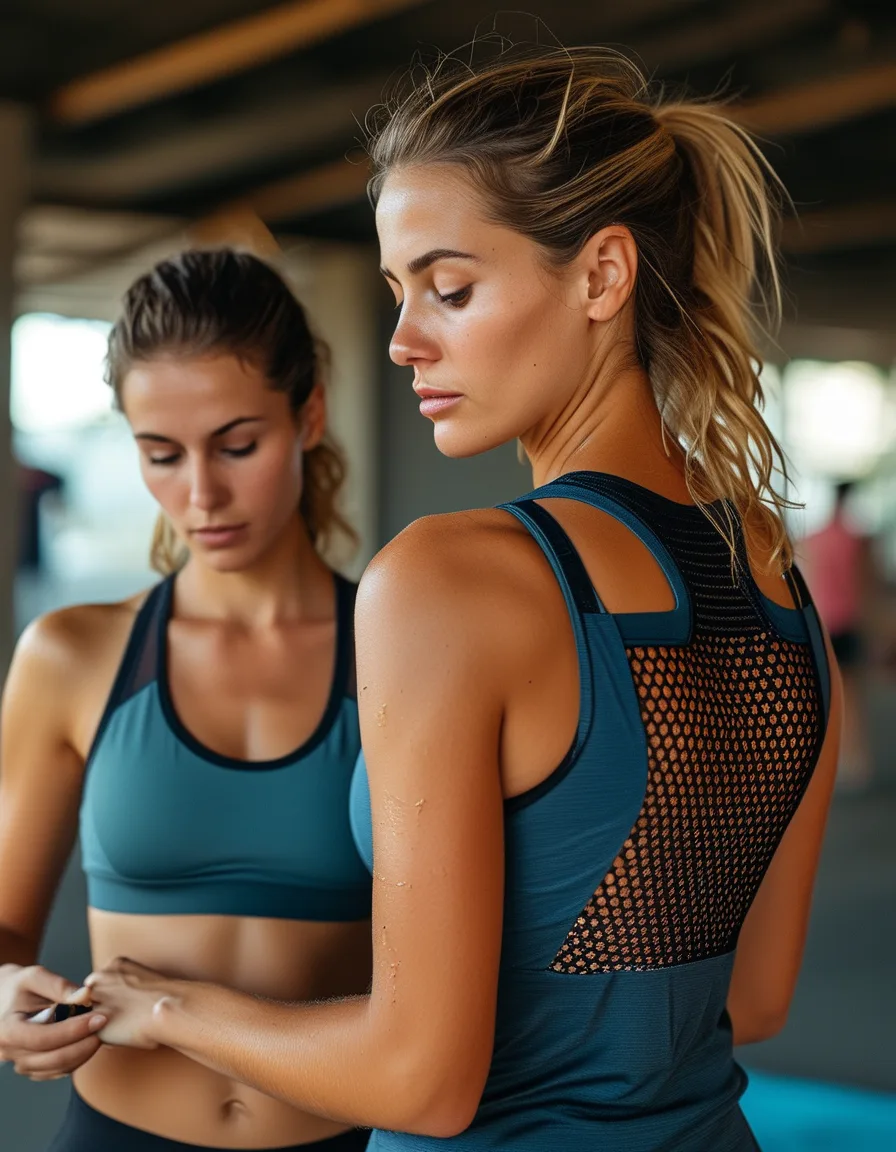
The heat-zone reality: the upper back and underarms generating and trapping significantly more heat and moisture during exercise than areas like the lower front torso, so mesh positioned directly over those zones ventilates the areas doing the most sweating, while the same square inches of mesh placed elsewhere on the garment does comparatively little functional cooling.
Why Total Mesh Coverage Still Gets Marketed Heavily
The overlap: a top’s overall mesh percentage being an easy, single number to advertise, which is simpler to communicate than explaining which specific zones the mesh actually covers, so brands lean on the bigger, simpler number even when placement is doing more of the real work.
How to Actually Judge a Top’s Breathability
The practical check: looking specifically at whether mesh panels sit over the upper back and underarms rather than just totaling up visible mesh area, since that placement predicts real-world cooling more reliably than a stated coverage percentage, and the frame (mesh over heat-generating zones cools more than the same mesh elsewhere — checking placement, not total coverage, is what actually predicts a top’s breathability.)
A workout top with more visible mesh paneling gets assumed to be the cooler option, treating total mesh coverage as the main variable. But the upper back and underarms generate and trap significantly more heat during exercise than other areas, so mesh positioned directly over those zones ventilates where sweating actually happens, while the same mesh placed elsewhere does comparatively little. A top’s overall mesh percentage is an easier number to market than explaining which zones it covers, so brands lean on the bigger number even when placement is doing more of the work. Checking whether mesh sits over the back and underarms is what actually predicts breathability.
See It in Motion
Seen here: UPF 50+ Racerback Yoga Tank Top — shop it on bubblelime.com
Keep Reading
This article is for general informational and styling purposes only. Fit, sizing, and product availability may vary.