The Workout Top Fabric Swap Nobody Tells You to Make for Fall
Quick Answer: Swap ultra-lightweight, highly breathable summer tops for a mid-weight, brushed or fleece-lined moisture-wicking fabric once outdoor temps drop below the mid-60s°F — the summer fabric that felt great in July will leave you clammy and chilled once you stop moving in October.
You wore the same tank you’ve worn all summer to an outdoor workout last week and spent the cooldown shivering in damp fabric. It’s not you — it’s the fabric. Summer-weight activewear is engineered to dump heat fast, which is exactly the wrong property once the air itself is doing some of that job for you.
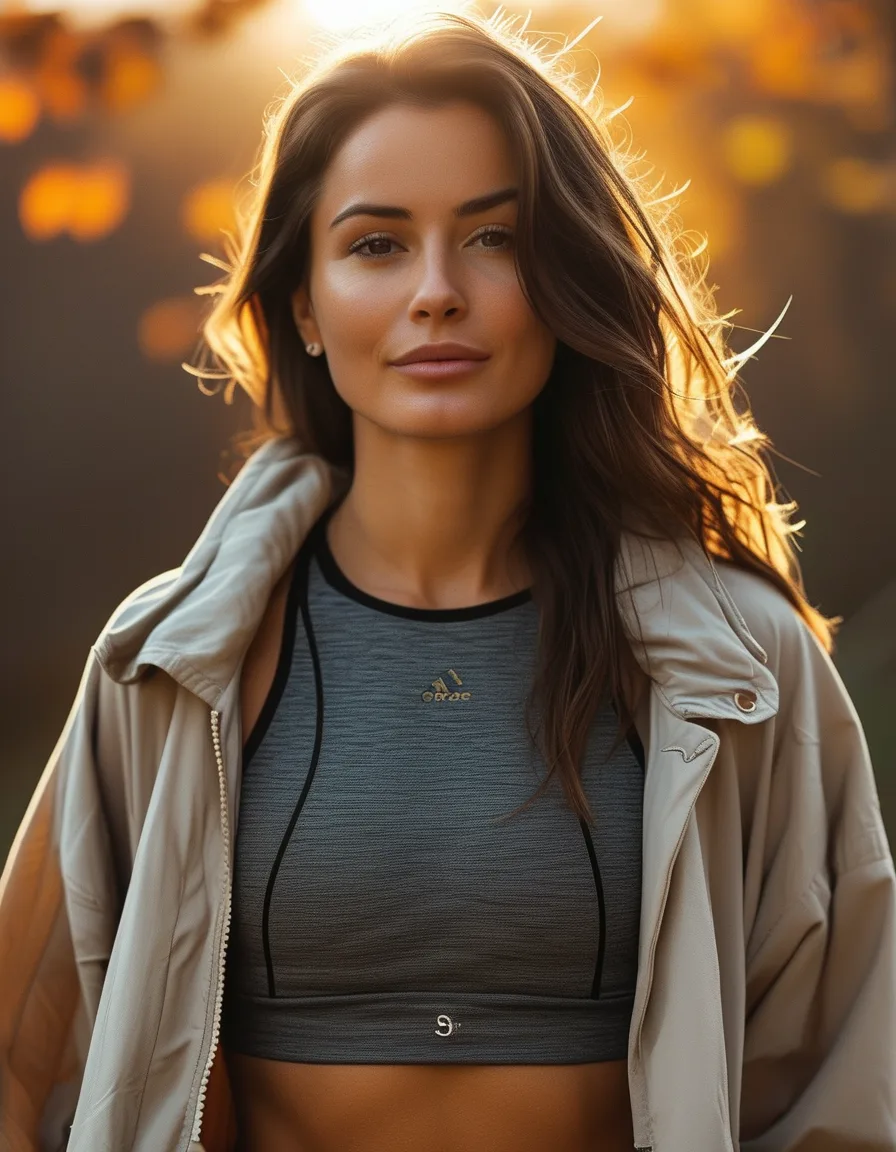
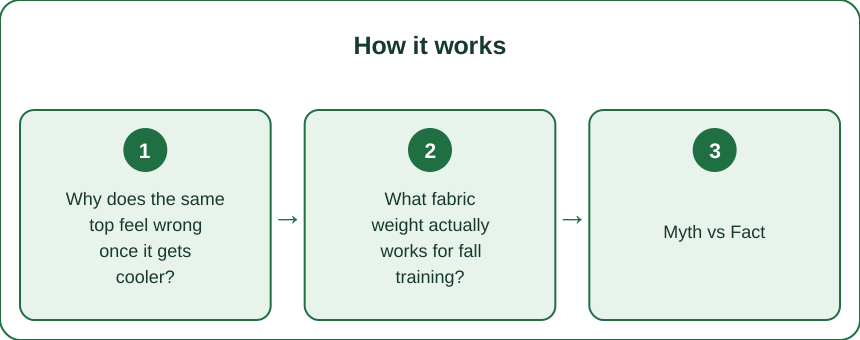
Why does the same top feel wrong once it gets cooler?
Because summer fabrics are optimized for heat dissipation, not warmth retention. Ultra-thin, highly breathable weaves move sweat and air through fast — great at 85°F, but that same airflow chills damp fabric against your skin once ambient temperature drops.
The sweat doesn’t stop happening in fall. What changes is how fast it evaporates and how cold you get in the process, especially the moment you stop moving between sets or at the end of a run.
What fabric weight actually works for fall training?
Look for mid-weight, brushed-interior moisture-wicking fabric — often labeled ‘thermal’ or ‘brushed tech.’ It still pulls sweat away but traps a thin layer of warm air against skin instead of venting it all immediately.
For outdoor sessions under 55°F, add a wind-resistant outer layer you can tie around your waist once you warm up — most of the cold-start discomfort happens in the first 10 minutes, not the whole workout.
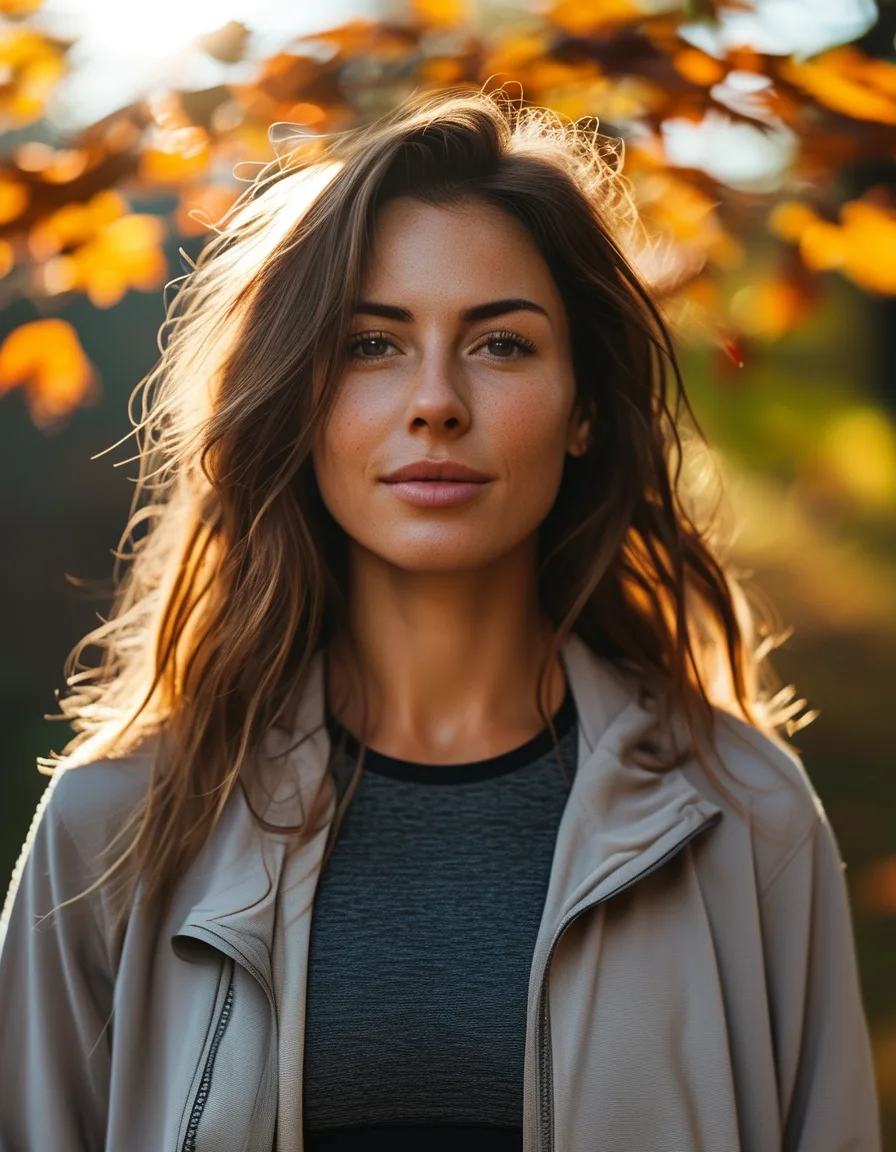
Myth vs Fact: Fall Workout Fabric
Myth: More layers always means warmer. Fact: Too many layers trap sweat with nowhere to evaporate, leaving you colder once you stop — 2 smart layers beat 4 thick ones.
Myth: Cotton is fine once it’s cooler out. Fact: Cotton holds moisture against skin regardless of season, and wet cotton in 55°F air chills faster than in 85°F air. If anything, cotton gets worse as it cools.
Myth: You need entirely new gear for fall. Fact: Most people just need one mid-weight top and one wind layer added to their existing rotation — not a full wardrobe swap.
How should you dress for the temperature-plus-20 rule?
A widely used trick among outdoor runners: dress for the temperature 20°F warmer than the actual reading, because you’ll warm up fast once moving.
At 60°F, that means dressing like it’s 80°F outside — a single mid-weight top, no jacket at the start — even though standing still it feels underdressed. The first 10 minutes will feel cool; that’s correct, not a mistake.
FAQ: Fall Workout Top Questions, Answered
When should I switch from summer to fall workout tops?
Once outdoor temps regularly sit below the mid-60s°F, especially for anything with a cooldown or standing rest between sets.
Should I wear a jacket for outdoor fall workouts?
A packable wind layer you can remove and tie around your waist works better than committing to a jacket for the whole session — most people overheat by minute 15 if they keep it on.
Do I need different fabric for indoor fall workouts?
Less so — indoor gym temperature is more stable. The biggest fabric shift matters most for outdoor training and post-workout cooldowns near open doors or AC vents.
TL;DR:
- Summer fabrics vent heat fast, which chills you once temps drop and you stop moving
- Swap to mid-weight, brushed moisture-wicking tops below the mid-60s°F
- Cotton gets worse, not better, as it cools — skip it
- Dress for +20°F warmer than the thermometer; the first cold 10 minutes is normal
One mid-weight top and a packable wind layer covers most of the fall transition — you don’t need to replace your whole rotation.
See It in Motion
Seen here: UPF 50+ Short Sleeve Rashguard Swim Shirt — shop it on bubblelime.com
Keep Reading
This article is for general informational and styling purposes only. Fit, sizing, and product availability may vary.